Reading and Q&A for Hurricane Baby: Stories, Price Caldwell Reading Series, April 7, 2026, 5:30 p.m. Griffis Forum Room, Mississippi State University, Starkville, MS
HOMEGROWN: A STORIED EXCHANGE, Panel titled “Madville Publishing”, January 31, 2026, 12:50 p.m. University of Southern Mississippi-Gulf Park Campus, Long Beach, MS
The Writing Room at 100 Men Hall, on January 10, 2026 at 10 a.m.-1 p.m. Bay St. Louis, MS
Book Signing for Hurricane Baby: Stories at Dixon Books on December 13, 2025 at 3 p.m. Natchez, MS
Book Signing for Hurricane Baby: Stories at Barnes & Noble on December 6, 2025 at noon-3 p.m. Flowood, MS
Appearance with Walt Grayson on WJTV on August 27, 2025 at 3:30 p.m.
Book Signing for Hurricane Baby: Stories at Barnes & Noble on August 23, 2025 at noon- 3 p.m. Flowood, MS
Appearance with Studio 3 on WLBT on August 18, 2025 at 3 p.m.
Panel Appearance/Book Signing for Hurricane Baby: Stories at Possumtown Book Festival on August 16, 2025. Panel at noon; Signing at 12:45 p.m. in Columbus, MS
Book Signing for Hurricane Baby: Stories at Book Mart and Cafe, August 15, 2025 at 2 p.m. in Starkville, MS
Book Signing for Hurricane Baby: Stories at Impression Books, August 9, 2025 at noon in Flowood, MS
CANCELLED: Book Signing for Hurricane Baby: Stories, Coffee Prose in Highland Village, June 21, 2025 at 1 p.m. Jackson, MS
Book Talk at Mississippi Writers’ Guild–Coastal Chapter, Gulfport Arts Center, June 18, 2025 at 5:30 – 8:30 p.m. Gulfport, MS
Book Signing for Hurricane Baby: Stories, Dog Ear Books, May 31, 2025 at 2 p.m., Brookhaven, MS
Book Talk/Signing/Q&A for Hurricane Baby: Stories, joined by Emme Rocher, Chelsea Library, May 17, 2025, at 1 p.m.-3 p.m., Chelsea, AL
Mississippi Writers’ Guild-Central Mississippi Chapter meeting, Book Talk/Q&A, at Ridgeland City Library, May 10, 2025, at 2 p.m.-3 p.m., Ridgeland, MS.
Hurricane Baby: Stories Book Talk/Q&A, Pontotoc County Library, January 9, 2025, 12:00-1:00 p.m. Pontotoc, MS
CANCELLED: Hurricane Baby: Stories Book Signing, Barnes & Noble Bookstore, December 14, 2024 from 12 noon-3 p.m., Flowood, MS
Hurricane Baby: Stories Reading/Signing, Author Shoppe, November 23, 2024 from 2 p.m.-3:30 p.m. Hattiesburg, MS
Holiday Open House, Book Mart and Cafe, November 10 from 11 a.m.-3 p.m., Starkville, MS
Louisiana Book Festival, Panel on November 2, 2024 at 11:15 a.m. in the Capitol Building in Baton Rouge, LA
CANCELLED: Hurricane Baby Signing at The Book Mart and Cafe, September 6 at 2 p.m. at Starkville, MS
Hurricane Baby Reading/Q&A at Ackerman Library on September 5 at 6 p,m, in Ackerman, MS
Hurricane Baby Book Signing and Conversation with Steven Yates at noon at Lemuria Bookstore, in Banner Hall, Jackson, MS, on August 24, 2024.
Television appearance of Julie Liddell Whitehead on Studio 3 on WLBT on August 23, 2024, at 3 p.m.
Radio appearance by Julie Liddell Whitehead on Mississippi Arts Hour, hosted by Kristen Brandt, broadcast on August 18, 2024 on 91.3 FM or your local public radio station.
Reading from Hurricane Baby: Stories. Brandon City Library, April 20, 2024 from 10 a.m.-noon featuring a total of ten authors and other artists, Brandon, MS.
A: I always write to answer a question I have. In the case of Hurricane Baby, I wondered: What would happen to someone who endured Hurricane Katrina without suffering physical losses but was destroyed psychologically? That’s where the crux of the book lies for me.
Q: What was the most surprising or shocking thing you learned from writing the book? How did it make you feel?
A: How much darkness spilled out of me. So much destruction and death and sin just came pouring out. And happy endings were very elusive. I couldn’t think of any way for events to end happily ever after. All the moral choices that presented themselves seemed to lead to the character having to decide between the frying pan and the fire.
Q: How did your choices of how to frame and organize the book impact your writing?
A: I framed it first as a novel with Wendy and Judd’s indiscretion being the action that gets events moving, and all the subsequent action revolved around that. In 2022, when I picked it back up again, I decided to keep the most emotionally impactful scenes and rewrite them as short stories. About half of the original novel remains—some scenes were rewritten to apply to other characters than were in the original, while I wrote several brand-new sections to explore all these new characters.
Q: What are some of the ethical, moral, or social implications of the book? How did it challenge you as a writer?
A: One important theme of the book is the fragility of conventional morality when faced with traumatic situations. In this book, the trauma causes all the characters to do things they would never dream of doing under normal circumstances. Wendy can’t articulate why she gave in to Judd. Tommy had never taken a drink in his life until after he learned that Amy Thompson didn’t make it. Dinah is helpless in the face of what’s happening to Mike. James and Lori’s relationship was doomed because of the trauma each had to face alone.
Q: Which character did you relate to or empathize with the most as a writer and why?
A: Actually, I think Dinah Seabrook is the most appealing character in the book. I know I felt very protective of her as I was writing about her. She stayed strong in circumstances that certainly would have sent me around the bend had I been her. She’s watching her world and life and marriage and husband fall apart, and all she has to hold on to is her faith. Writing her made for some bright spots in the book.
Q: Which character did you dislike the most and why?
A: Jack Rawson, for sure. His dismissive attitude towards Wendy in the labor room and her dislike of him points to some history between them we don’t get to see. And his acting so possessive of her after Ray dies and Judd comes back to Hattiesburg comes off as him thinking he’s in charge of her now? Ugh.
Q: What was the most memorable or shocking scene or twist in the story when you were writing it?
A: Actually it came pretty early. I had only planned to write a short story about Wendy and Judd’s encounter during the hurricane. After I finished it, I thought I was done. But a few days after I thought I finished it, I thought, “Wouldn’t it be a kick in the pants for Judd to find out she was pregnant and wonder for the rest of his life if it was his baby?” And that question led to more questions, and pretty soon, I had a book.
Q: How did writing this book impact you? It has so many dark elements; how did you handle writing some of the more difficult sections?
A: In some ways, it was very exciting; I felt I was stretching myself as a writer and telling an important story that showed how the storm affected people not on the coast or in New Orleans. The challenge came this last time through to match what I was writing now with what I had written then. This time, I was choosing to put the characters in impossible situations and choosing to keep twisting the knife and raising the stakes. I used to be a very binary thinker—right was right and wrong was wrong. Writing Hurricane Baby taught me nuance—that sometimes all the choices people face are bad choices.
Selected Links to Julie Liddell Whitehead’s Journalism


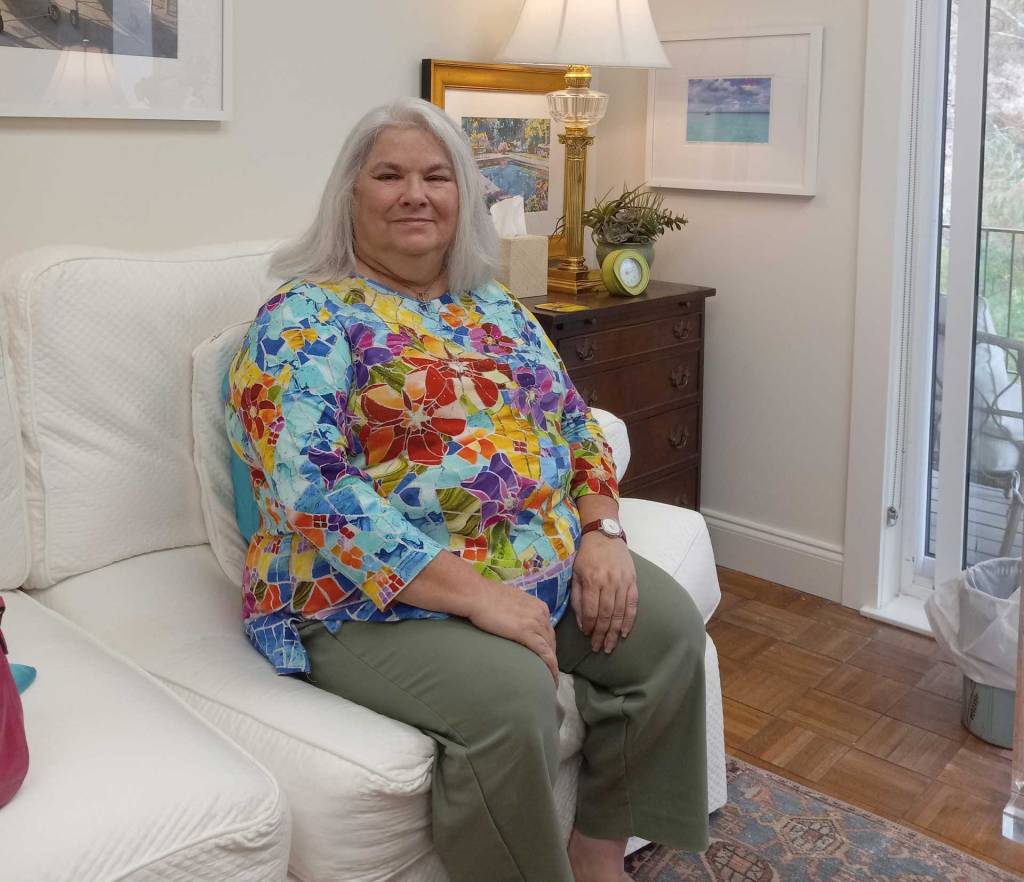
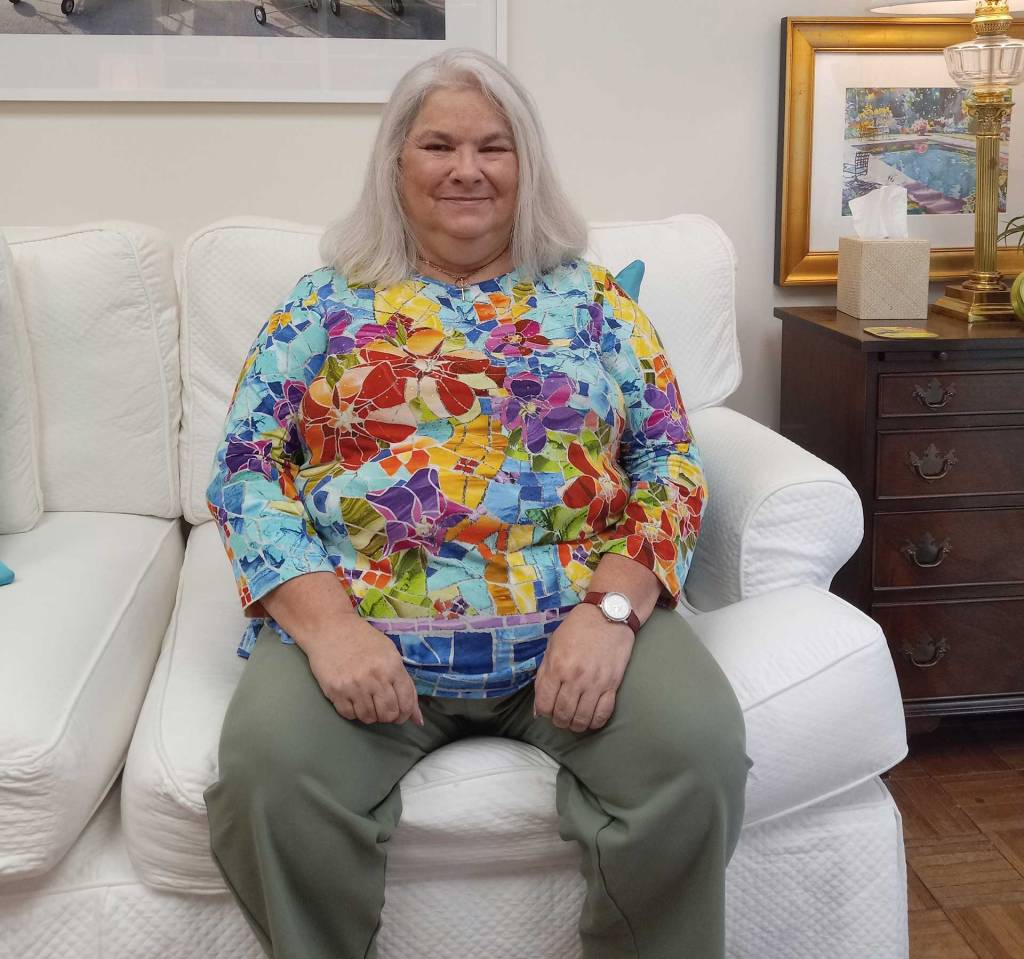
 Julie Liddell Whitehead

